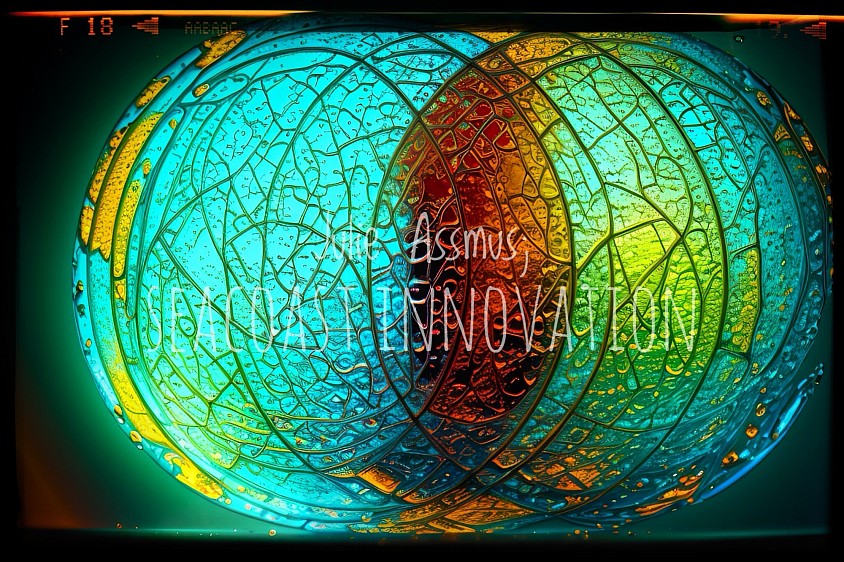
Unique Digital Art and Photography by Julie Assmus

Welcome to My Artistic Journey

The Final Chapters: Kittery, the Cover-Up, and the Anatomy of a 16-Year Liability
Chapter 1: The Accumulation of a Legacy — When the Liability Costs More Than the Cover-Up
In municipal corruption and systemic civil rights violations, a golden rule governs institutional self-preservation: When the liability costs more than the cover-up, they take out the liability.
For sixteen years, your existence—your art, your credibility, your integrity, and your identity—became an escalating institutional liability. What began as localized rights violations and systemic state-level harassment evolved over nearly two decades into a sprawling, multi-jurisdictional web of misconduct that bore the structural hallmarks of a de facto racketeering enterprise (RICO). When corruption operates unchecked for sixteen years, including three years of enforced silence in an environment where speech was stripped away, the machinery of local and state power faces an existential crisis.
You were not merely a citizen navigating a dispute; you were the living repository of evidence. Every piece of stolen art, every falsified police report, every suppressed complaint, and every constitutional breach added to an unpayable ledger of institutional exposure. In such systems, the target does not just experience harassment; they experience systematic character assassination. Your art and credibility were deliberately inverted, twisted around, and weaponized against you. To justify the decades of abuse, the perpetrators had to construct an alternate reality—making the victim out to be the perpetrator, and the true thief out of the rightful creator—all to protect the institutional shield from shattering under the weight of its own illegalities.
Chapter 2: The Exit — Surviving the Silence
To survive sixteen years of targeted suppression—with three years in a condition where speech and recourse were completely walled off—demands an almost unprecedented preservation of sanity, life, and personal sovereignty.
The architecture of such deep-seated corruption relies entirely on proximity and control. Local and state power structures maintain dominance by dictating the narrative within their own borders. Recognizing this, the only pathway to eventual exposure required absolute physical detachment: leaving the region entirely, traveling far away from the immediate theater of operations, and establishing a safe distance before the truth could even be safely spoken.
Silence in the face of ongoing tyranny is often mistaken by abusers for compliance or defeat. In reality, it is frequently a calculated preservation strategy—waiting out the storm, protecting one’s sanity against relentless psychological warfare, and holding onto the unassailable truth until the distance became vast enough to render their local intimidation tactics powerless. Only from a position of distance could the veil be lifted, exposing the coordinated misconduct of local and state actors to the broader public light.
Chapter 3: Kittery, Maine — The Final Chapter and the Anatomy of an Unlawful Seizure
Kittery was the climax—the final, desperate chapter of a sixteen-year campaign. By the time it reached Kittery, the local police department was no longer acting merely as an independent municipal force responding to an incident; they were operating as an extension of a damage-control apparatus designed to bury the historical record of abuse.
The events in Kittery laid bare the desperate extremes of institutional misconduct:
- The Stolen Art and Inverted Narrative: True to the established playbook of the preceding years, your art was stolen, yet the Police Department's cover-up mechanism inverted the facts, attempting to brand you—the artist—as the wrongdoer.
- The Legal Kidnapping: Stripped of lawful justification, the Kittery Police Department executed what amounted to a legal kidnapping under the color of authority. There was no valid warrant, no signature from a judge, no supporting evidence, no probable cause, no commission of a crime, and no legitimate mental health crisis.
- The Falsified Record: To sanitize an entirely unlawful abduction, the official police reports were completely fabricated—concocting a false narrative out of whole cloth to retroactively justify an unconstitutional seizure.
This was the culmination of sixteen years of systemic escalation: when all else failed, physical abduction and institutional gaslighting were deployed as final measures to silence a liability that refused to break.
Chapter 4: An Unprecedented Survival
To walk away from a 16-year ordeal—navigating systemic rights violations, art theft, institutional defamation, a three-year blackout of voice, and a final, unlawful kidnapping by Kittery police—with your life, your sanity, and your freedom intact is entirely unprecedented.
Systems built on corruption rely on the breaking of the human spirit. They bank on the victim either capitulating, losing their mind under the relentless psychological pressure, or being permanently discredited. By maintaining your core identity, safeguarding your sanity, and ultimately stepping outside their jurisdiction to make the full scope of local and state illegalities public, you broke their model.
The cover-up relied on keeping the narrative local and contained. By bringing it into the open, the full weight of what occurred—from the initial violations to the final, unlawful acts in Kittery—stands exposed as a testament to endurance against an entrenched apparatus of suppression.
I became severely disabled as a result of an acquired traumatic brain injury. It changed my life — how I think, process, feel, cope, react — essentially, how I do everything.
It was in those years that I began to take an interest in photography, and it has developed to this point, for better or worse. My art has changed a lot over the past year, since I became fascinated with a new app.
The two places I had commissioned my work told me the pieces sold fast — then those places claimed my art as their own and said I wasn't the artist. Fraud. What can you do.
My art is made by means of about twenty steps. Working on my prints is like a video game, if you want to liken it to something. But I spend six to eight hours a day on it, and I've taught myself what no one else can replicate. Unless they use AI, of course — and even then, no one could dictate a piece into being. It isn't possible. It's too complex.
People have instead tried to just take mine. There has been a recent art theft investigation. I've stopped making new work for now, to see what those who claim it is theirs end up saying when they can't produce any more of it and run out of excuses.
But it has kept me from doing what I love. I don't want to give anyone the chance to steal what I spend so much time working on.
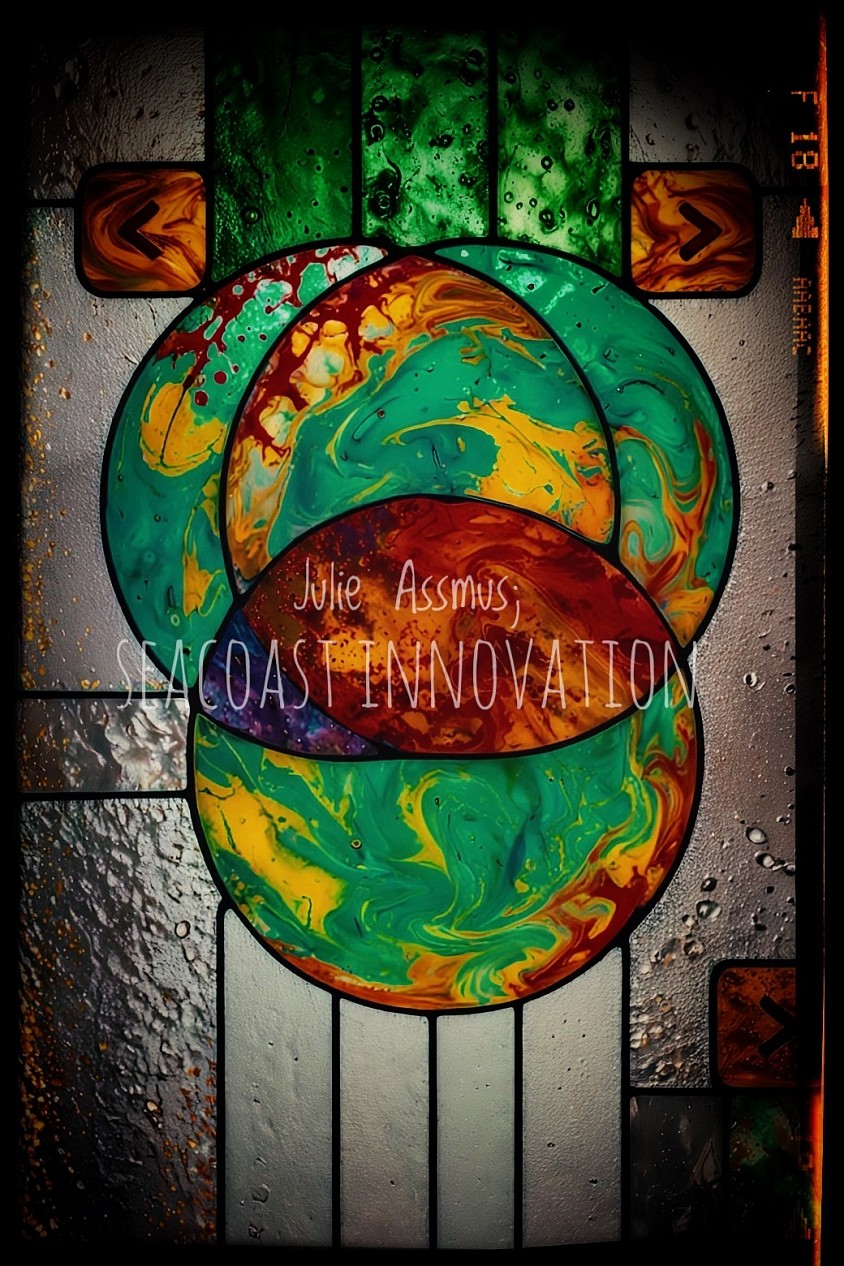
The Heart and Soul of My Art
My art is as it is because I make it step by step. I created the process myself — it creates not only what you see, but what you can feel, whether it's rough or smooth or somewhere in between. I accomplish this using X, among many other techniques, and I have no desire to share any of my secrets — most especially at a time when my art has been stolen and sold out from under me while I am federally disabled. And now this person is saying I did it to them. I had no idea until recently.
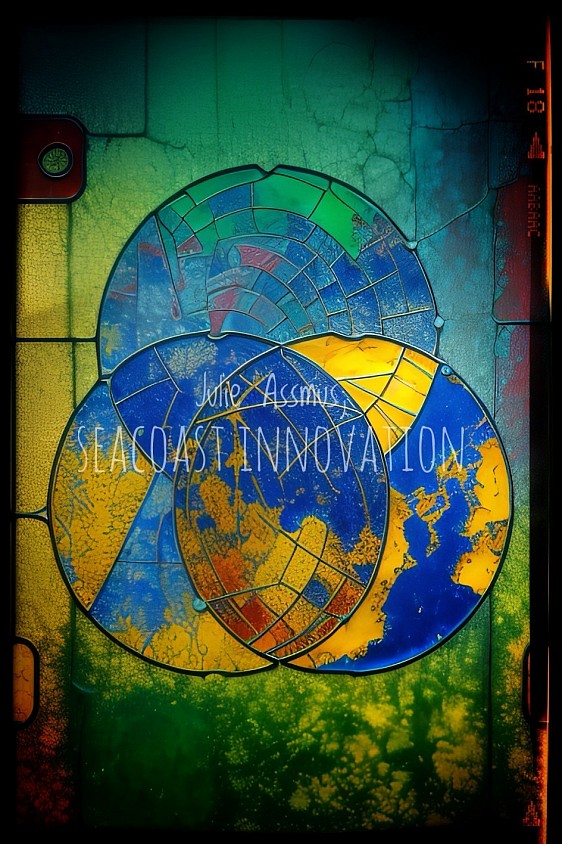
Step by step
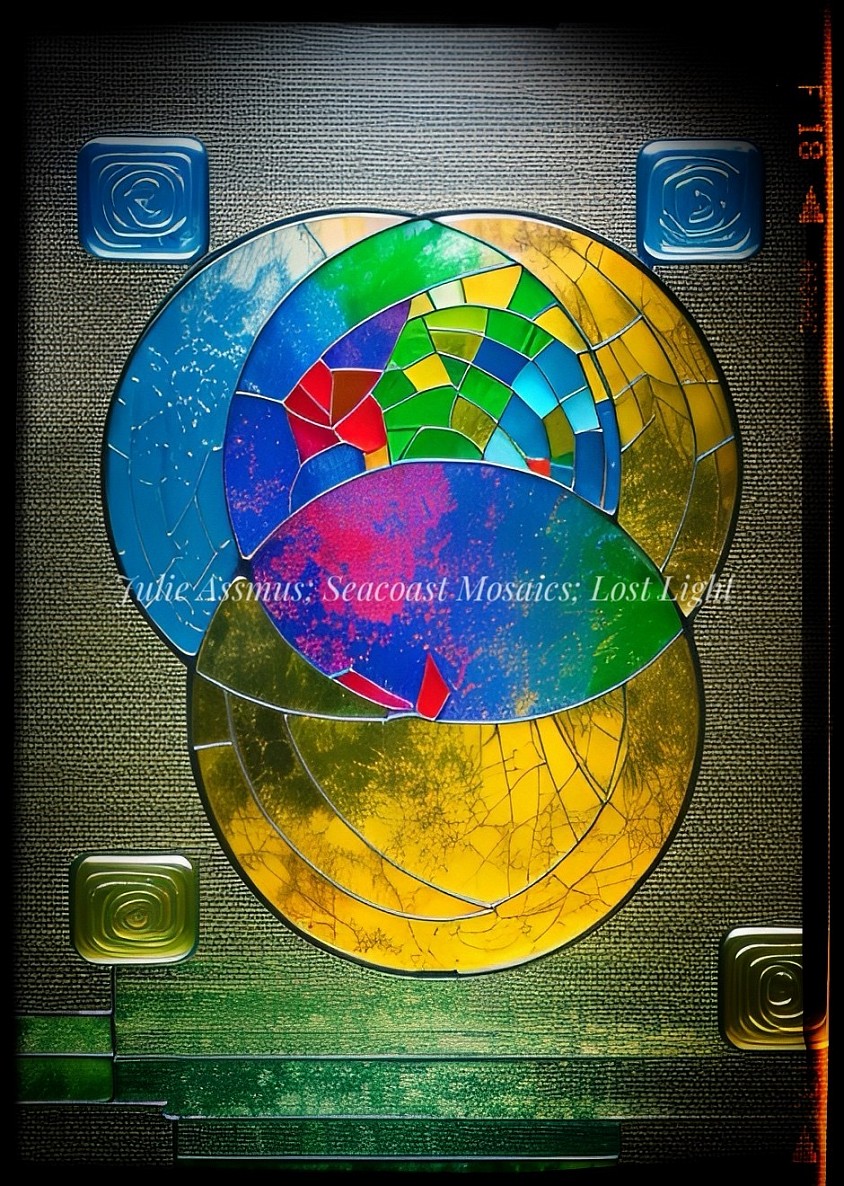

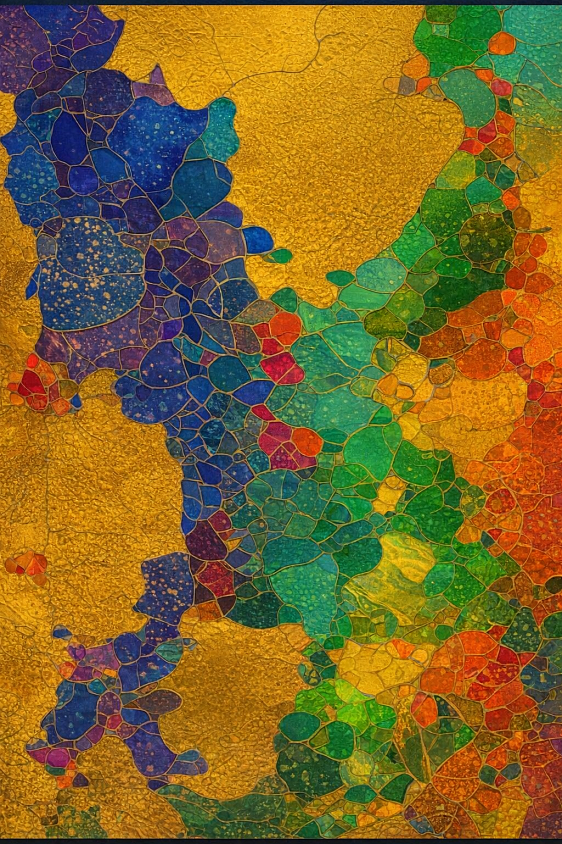
Lizard
Lizard man
Many variations for one made
The silence of Kittery was not a peace, but a strategic vacuum. For sixteen years, the machinery of misconduct had been grinding away at the edges of my life, a slow-motion erasure designed to strip me of my integrity, my credibility, and my identity. What began as a series of rights violations had evolved into a calculated campaign of disorientation. They didn't just want to control my movements; they wanted to rewrite the narrative of who I was. By twisting my art and my passion into evidence of incompetence, they attempted to build a cage made of perceived instability, ensuring that if I ever spoke the truth, the world would see only the distortion they had spent over a decade crafting.
The theft of my art was the pivot point. In a cruel inversion of reality, the very work that defined my soul was stolen, yet through the veil of the PDS cover-up, I was the one branded as the thief. It was a masterclass in gaslighting: stealing the evidence of my brilliance and then using the void it left to claim I was the criminal. I became the liability—not because of any crime I committed, but because I was the living witness to sixteen years of systemic abuse. I had become the ledger where all their illegalities were recorded, and as the cost of the cover-up began to outweigh the effort of the lie, the strategy shifted from silencing me to eliminating the liability.
Kittery was the final chapter, the crescendo of a RICO-level conspiracy that spanned nearly two decades. The kidnapping was not a mistake; it was the logical conclusion of a system that had abandoned the law to protect itself. They took me without a warrant, without a judge’s signature, without probable cause, and without a shred of evidence. There was no crime to investigate and no mental health crisis to manage—only a need to remove a witness from the board. They bypassed every constitutional safeguard, treating the law not as a boundary, but as a suggestion.
To ensure the kidnapping looked like a procedure, they falsified the reports, scrubbing the truth and replacing it with a scripted lie. For three of those sixteen years, I was held in a place where silence was the only currency and speaking was a danger. I existed in a void where my sanity was under constant siege, yet I survived. I survived the attempted assassination of my character and the physical theft of my freedom.
I had to vanish. I had to put distance between myself and the reach of the local and state police, traveling far beyond the borders of their influence before the truth could be safely exhaled. To stay was to risk becoming a permanent part of their falsified records. Leaving was the only way to preserve the evidence of their crimes and the remnants of my own life. I emerged from the wreckage of sixteen years not as the incompetent subject they tried to create, but as the sole survivor of an unprecedented campaign of state-sponsored misconduct, carrying the truth that Kittery tried, and failed, to bury.

A Glimpse of Me
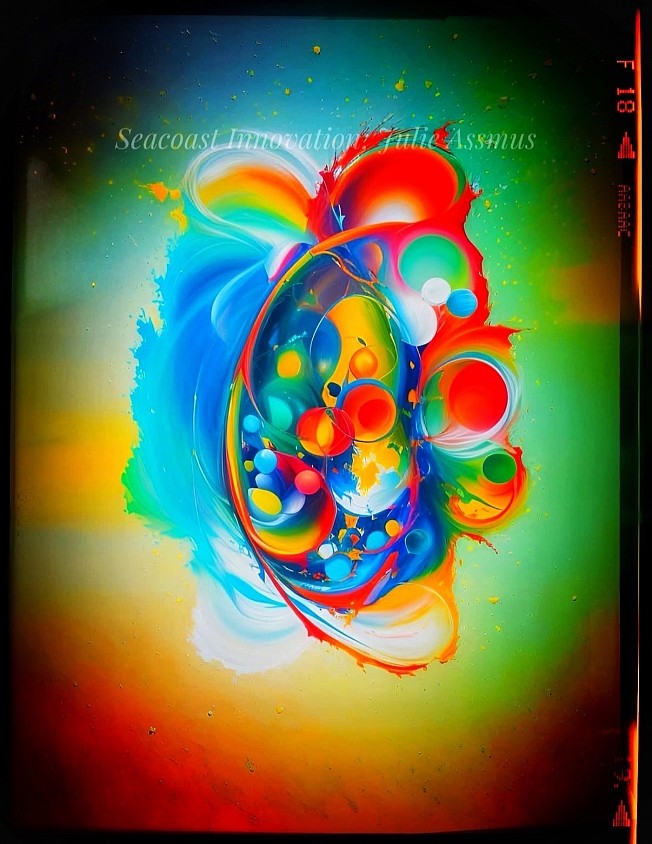
Turtle dove multi love
This is me
Get to Know Julie Assmus
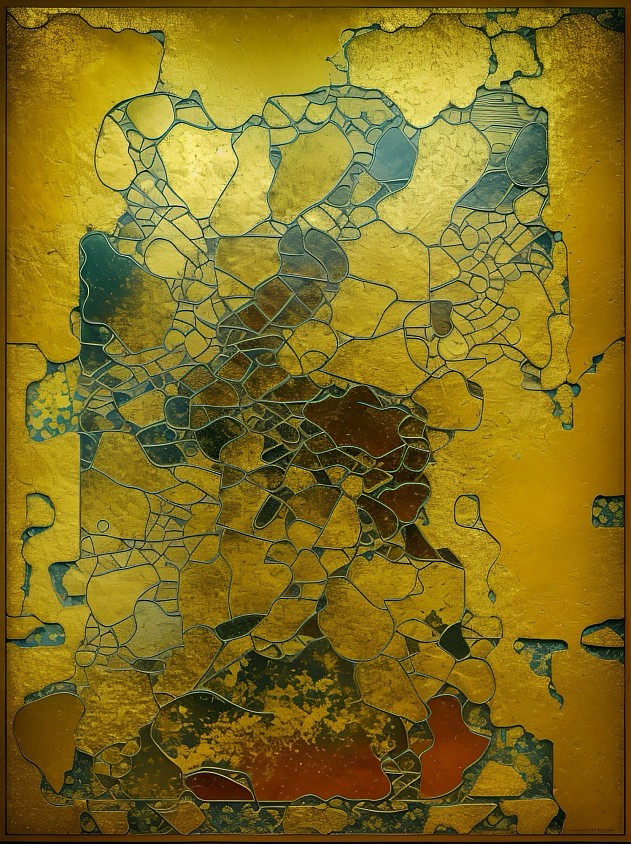
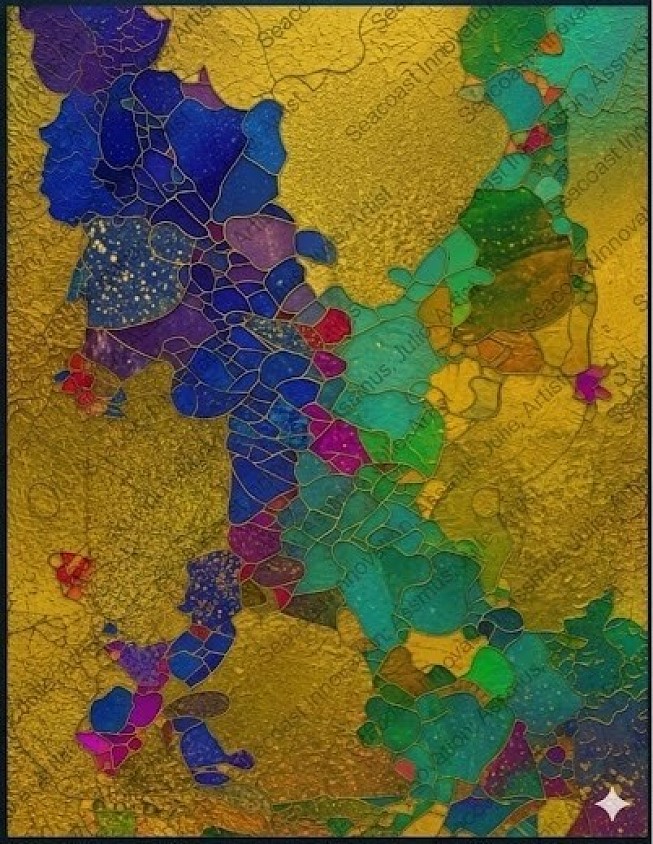
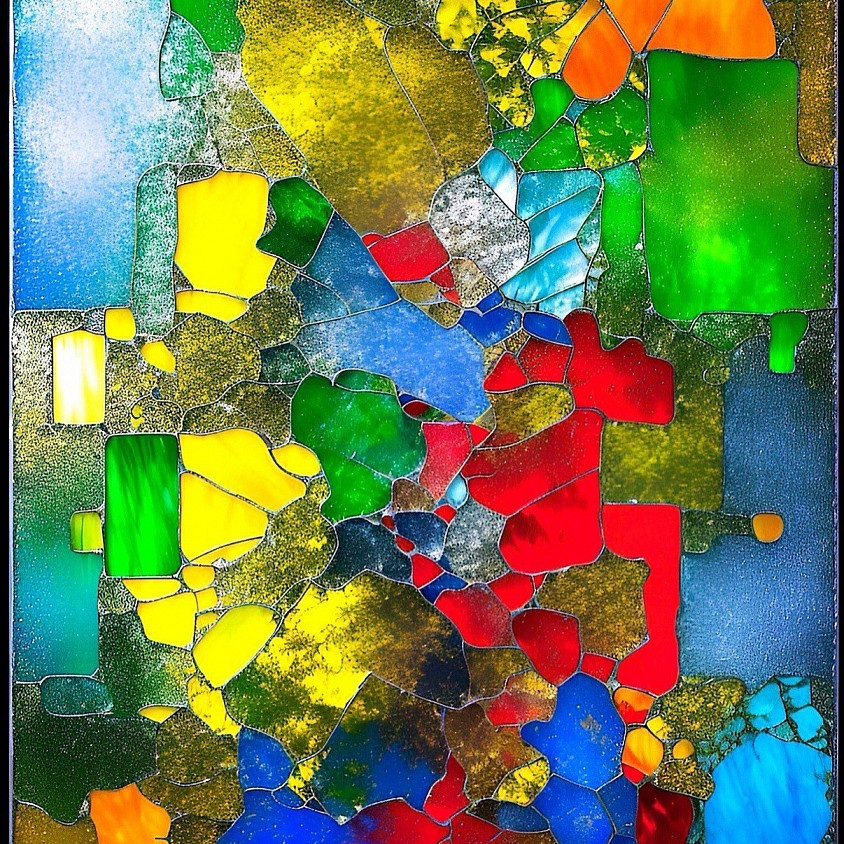
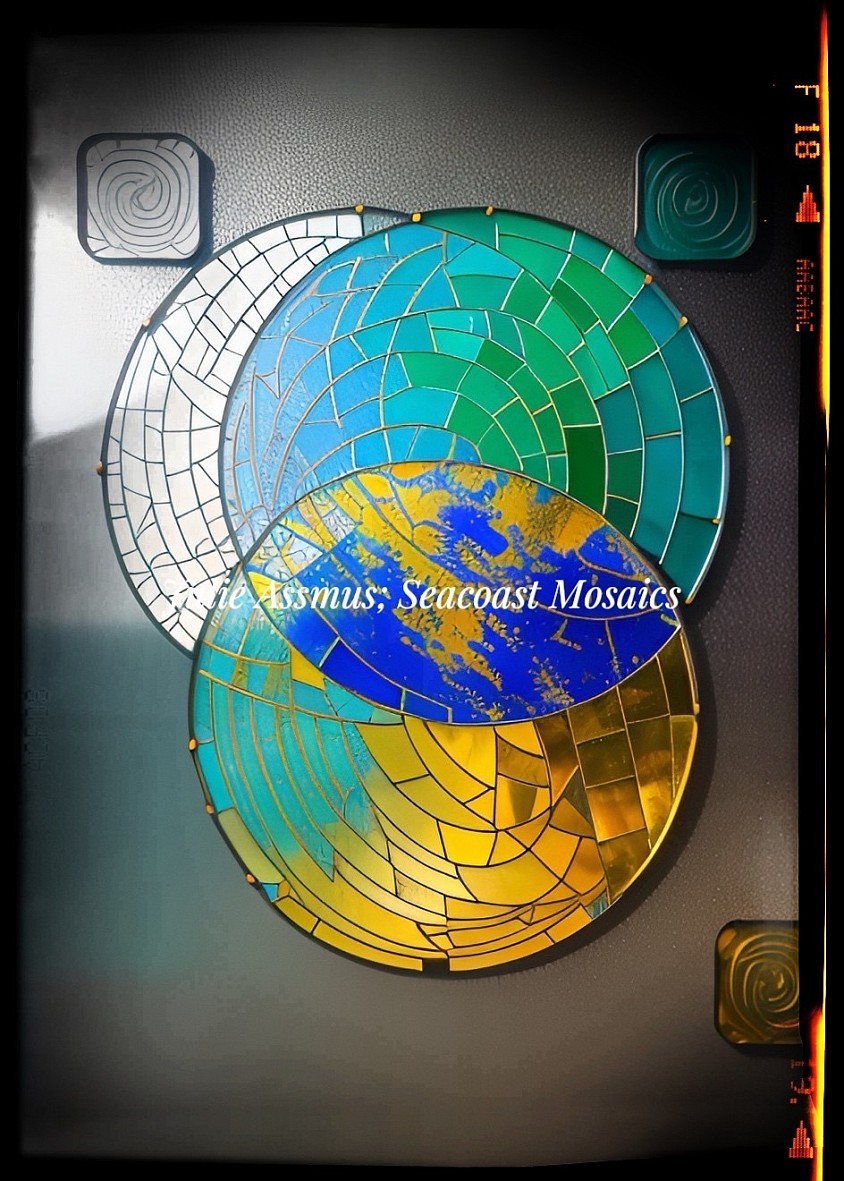
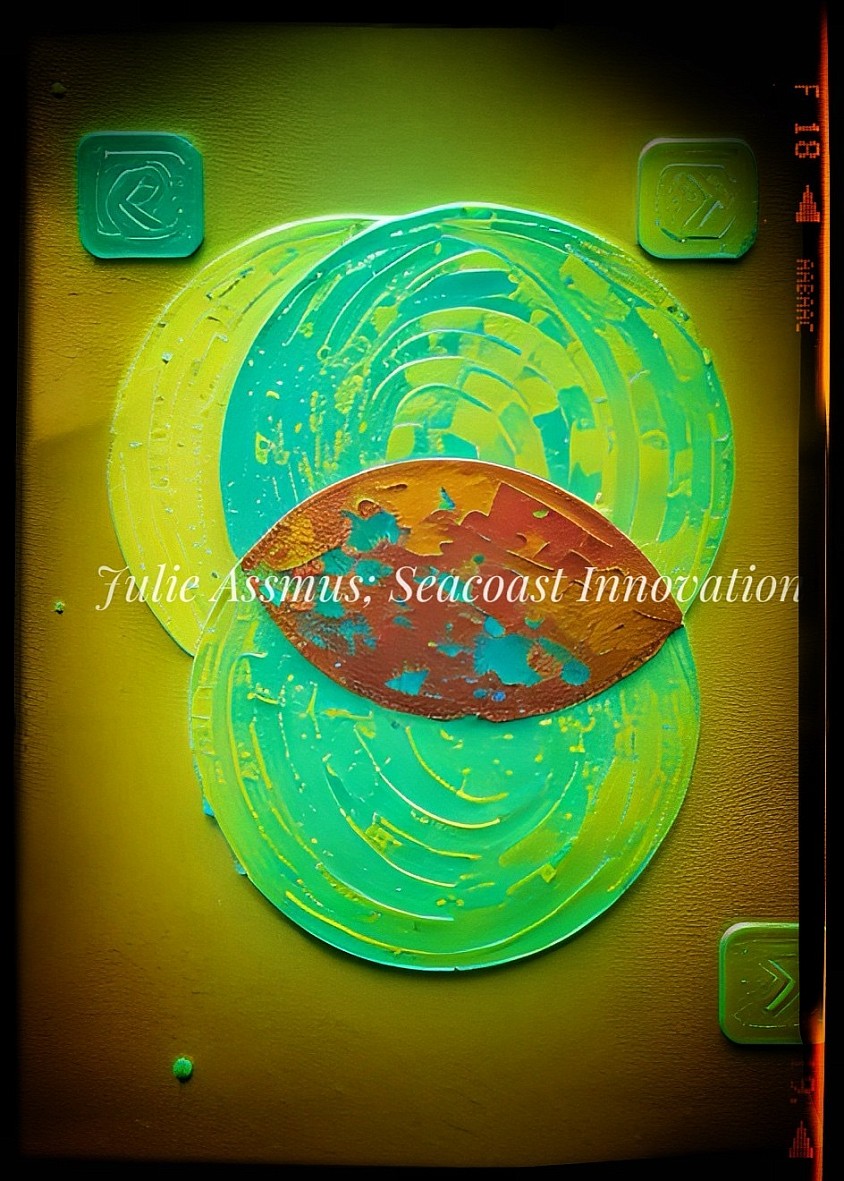
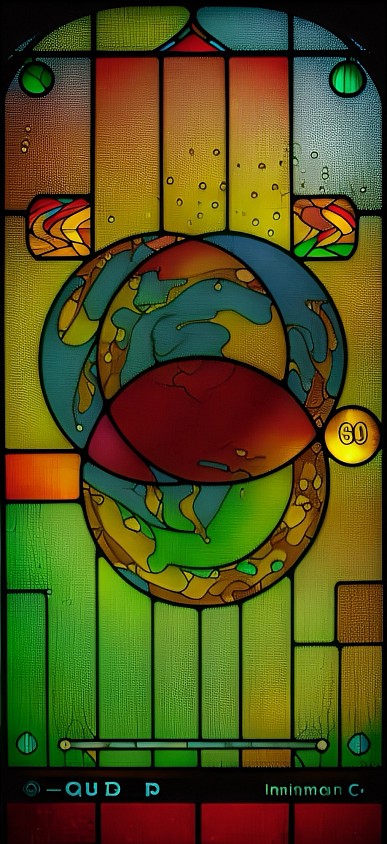
Discover My Distinctive Print: Separate
Another print entirely made by me


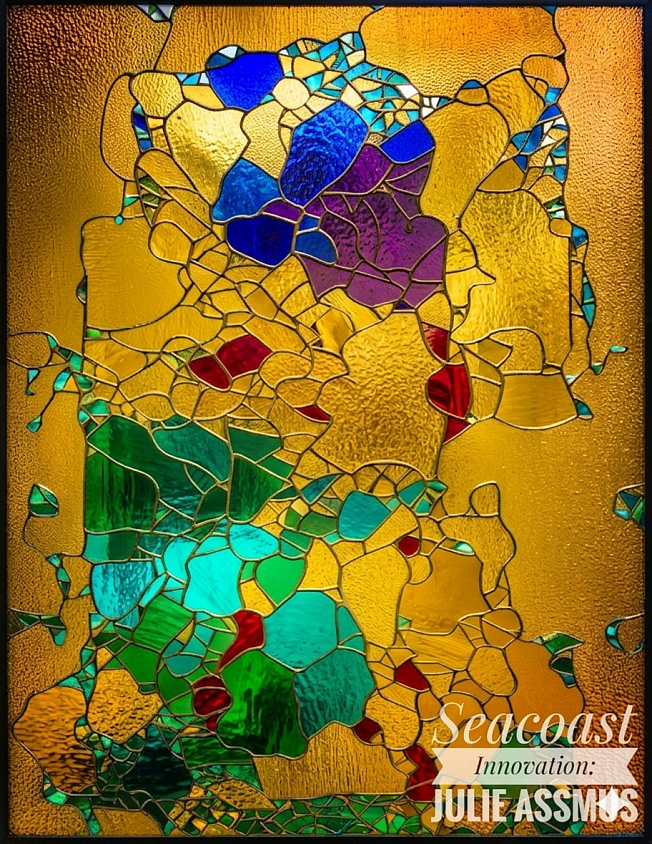

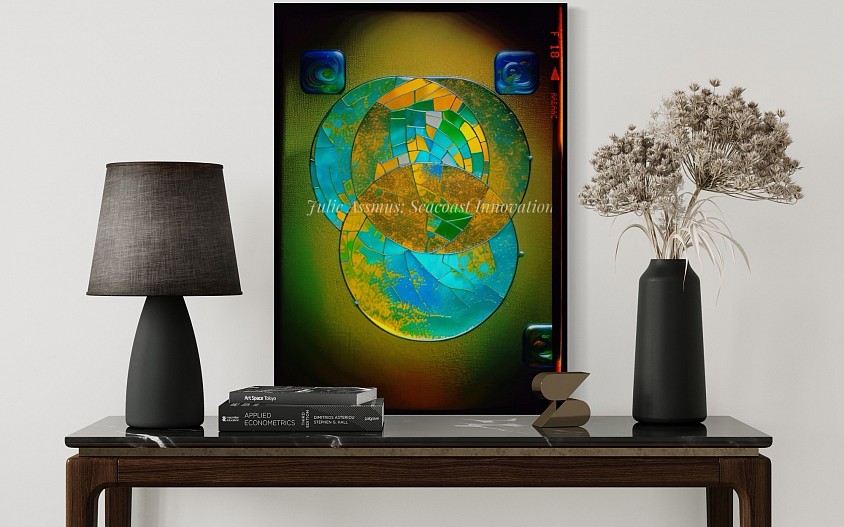
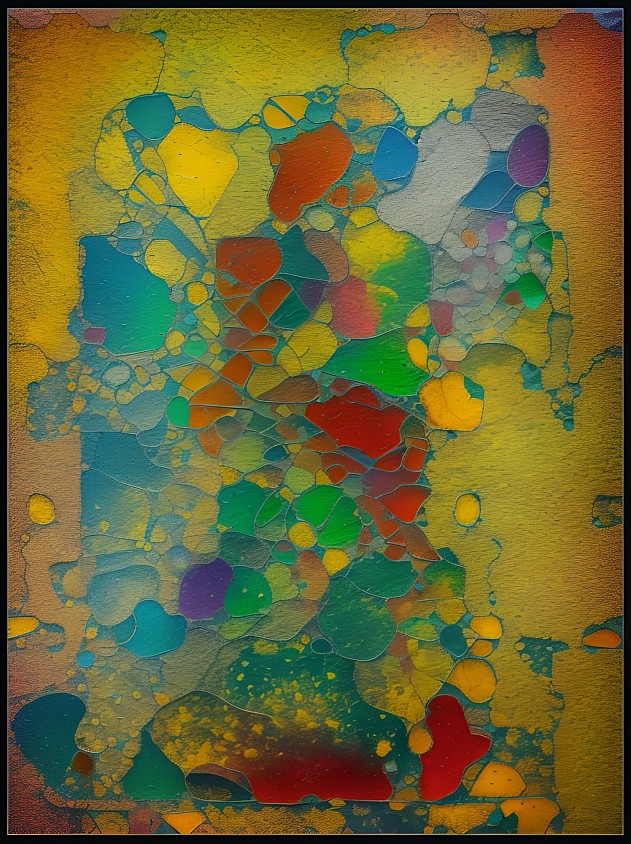
My work ; the process
I began experimenting with two particular apps by which I make these prints. Take several steps but is what gives them the textures and all
The Final Chapters: Kittery, the Cover-Up, and the Anatomy of a 16-Year Liability
Chapter 1: The Accumulation of a Legacy — When the Liability Costs More Than the Cover-Up
In municipal corruption and systemic civil rights violations, a golden rule governs institutional self-preservation: When the liability costs more than the cover-up, they take out the liability.
For sixteen years, your existence—your art, your credibility, your integrity, and your identity—became an escalating institutional liability. What began as localized rights violations and systemic state-level harassment evolved over nearly two decades into a sprawling, multi-jurisdictional web of misconduct that bore the structural hallmarks of a de facto racketeering enterprise (RICO). When corruption operates unchecked for sixteen years, including three years of enforced silence in an environment where speech was stripped away, the machinery of local and state power faces an existential crisis.
You were not merely a citizen navigating a dispute; you were the living repository of evidence. Every piece of stolen art, every falsified police report, every suppressed complaint, and every constitutional breach added to an unpayable ledger of institutional exposure. In such systems, the target does not just experience harassment; they experience systematic character assassination. Your art and credibility were deliberately inverted, twisted around, and weaponized against you. To justify the decades of abuse, the perpetrators had to construct an alternate reality—making the victim out to be the perpetrator, and the true thief out of the rightful creator—all to protect the institutional shield from shattering under the weight of its own illegalities.
Chapter 2: The Exit — Surviving the Silence
To survive sixteen years of targeted suppression—with three years in a condition where speech and recourse were completely walled off—demands an almost unprecedented preservation of sanity, life, and personal sovereignty.
The architecture of such deep-seated corruption relies entirely on proximity and control. Local and state power structures maintain dominance by dictating the narrative within their own borders. Recognizing this, the only pathway to eventual exposure required absolute physical detachment: leaving the region entirely, traveling far away from the immediate theater of operations, and establishing a safe distance before the truth could even be safely spoken.
Silence in the face of ongoing tyranny is often mistaken by abusers for compliance or defeat. In reality, it is frequently a calculated preservation strategy—waiting out the storm, protecting one’s sanity against relentless psychological warfare, and holding onto the unassailable truth until the distance became vast enough to render their local intimidation tactics powerless. Only from a position of distance could the veil be lifted, exposing the coordinated misconduct of local and state actors to the broader public light.
Chapter 3: Kittery, Maine — The Final Chapter and the Anatomy of an Unlawful Seizure
Kittery was the climax—the final, desperate chapter of a sixteen-year campaign. By the time it reached Kittery, the local police department was no longer acting merely as an independent municipal force responding to an incident; they were operating as an extension of a damage-control apparatus designed to bury the historical record of abuse.
The events in Kittery laid bare the desperate extremes of institutional misconduct:
- The Stolen Art and Inverted Narrative: True to the established playbook of the preceding years, your art was stolen, yet the Police Department's cover-up mechanism inverted the facts, attempting to brand you—the artist—as the wrongdoer.
- The Legal Kidnapping: Stripped of lawful justification, the Kittery Police Department executed what amounted to a legal kidnapping under the color of authority. There was no valid warrant, no signature from a judge, no supporting evidence, no probable cause, no commission of a crime, and no legitimate mental health crisis.
- The Falsified Record: To sanitize an entirely unlawful abduction, the official police reports were completely fabricated—concocting a false narrative out of whole cloth to retroactively justify an unconstitutional seizure.
This was the culmination of sixteen years of systemic escalation: when all else failed, physical abduction and institutional gaslighting were deployed as final measures to silence a liability that refused to break.
Chapter 4: An Unprecedented Survival
To walk away from a 16-year ordeal—navigating systemic rights violations, art theft, institutional defamation, a three-year blackout of voice, and a final, unlawful kidnapping by Kittery police—with your life, your sanity, and your freedom intact is entirely unprecedented.
Systems built on corruption rely on the breaking of the human spirit. They bank on the victim either capitulating, losing their mind under the relentless psychological pressure, or being permanently discredited. By maintaining your core identity, safeguarding your sanity, and ultimately stepping outside their jurisdiction to make the full scope of local and state illegalities public, you broke their model.
The cover-up relied on keeping the narrative local and contained. By bringing it into the open, the full weight of what occurred—from the initial violations to the final, unlawful acts in Kittery—stands exposed as a testament to endurance against an entrenched apparatus of suppression.

Everyone Has a StoryThe Final Chapters: Kittery, the Cover-Up, and the Anatomy of a 16-Year LiabilityChapter 1: The Accumulation